I'm a marketer who learned to ship by pairing with an AI agent every day.
Side projects on top of a day job: a dozen shipped apps — web, macOS, even one on the Mac App Store — ten agent skills, and two publications that write themselves daily. Built between meetings, after the dog falls asleep, mostly on Sunday afternoons. None of it is theoretical, and most of it has broken in production at least once.
12Shipped apps
10Agent skills
2Daily auto-publications
0CS degrees
Why this page exists
Three reasons.
One
I get asked the same question in every meeting now: "But how do you actually use this stuff?" Easier to point at a page than re-explain.
Two
The average AI advice online is a thread that says "prompt engineering is the new programming" and then sells you a course. I'd rather give you specifics.
Three
If a non-engineer can ship apps people actually use, that's signal. Take it as one. The bar moved.
Stuff I've shipped
Real products, live URLs.
Click through if you want to break them. Screenshots are the actual deployed apps.
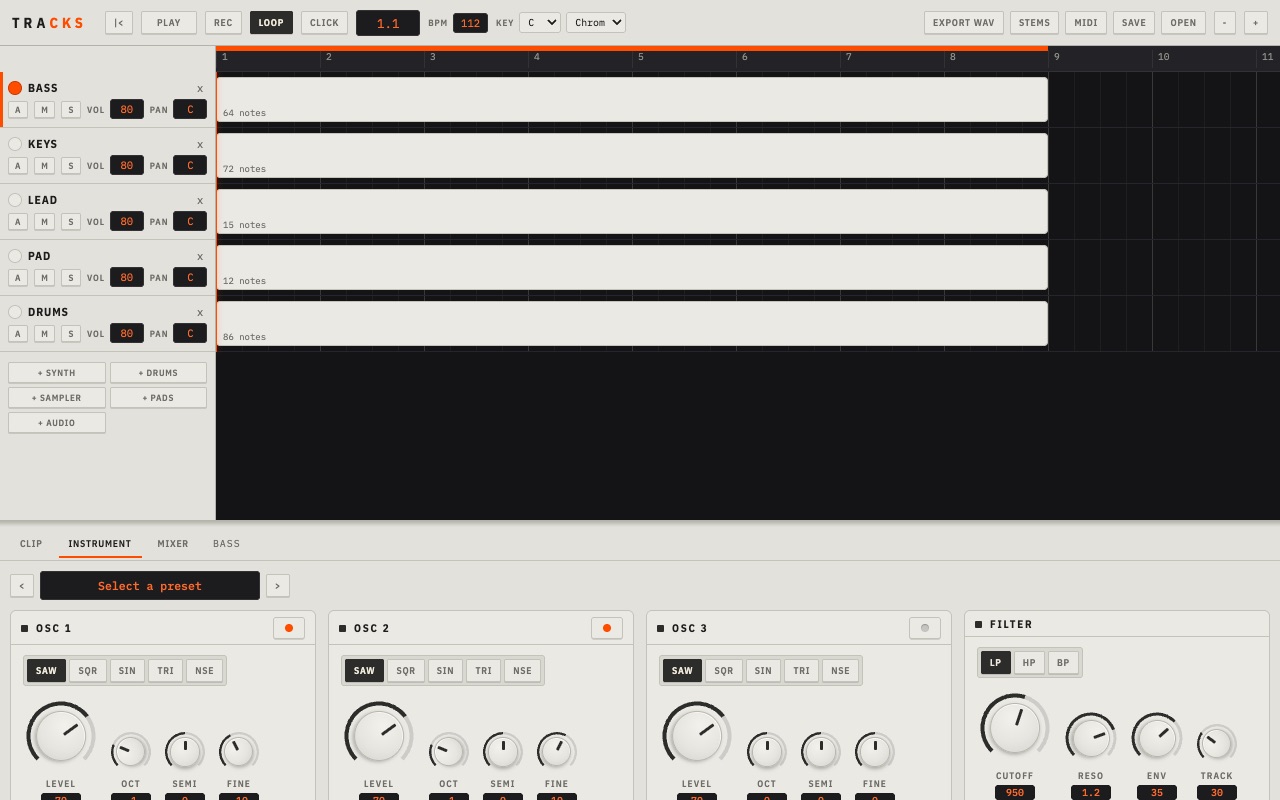
A digital audio workstation that runs in your browser tab. Multitrack clips, synth and drum instruments, a mixer, audio recording, autotune, automation lanes, WAV and stem export. Raw Web Audio, no framework, no plugins to install.
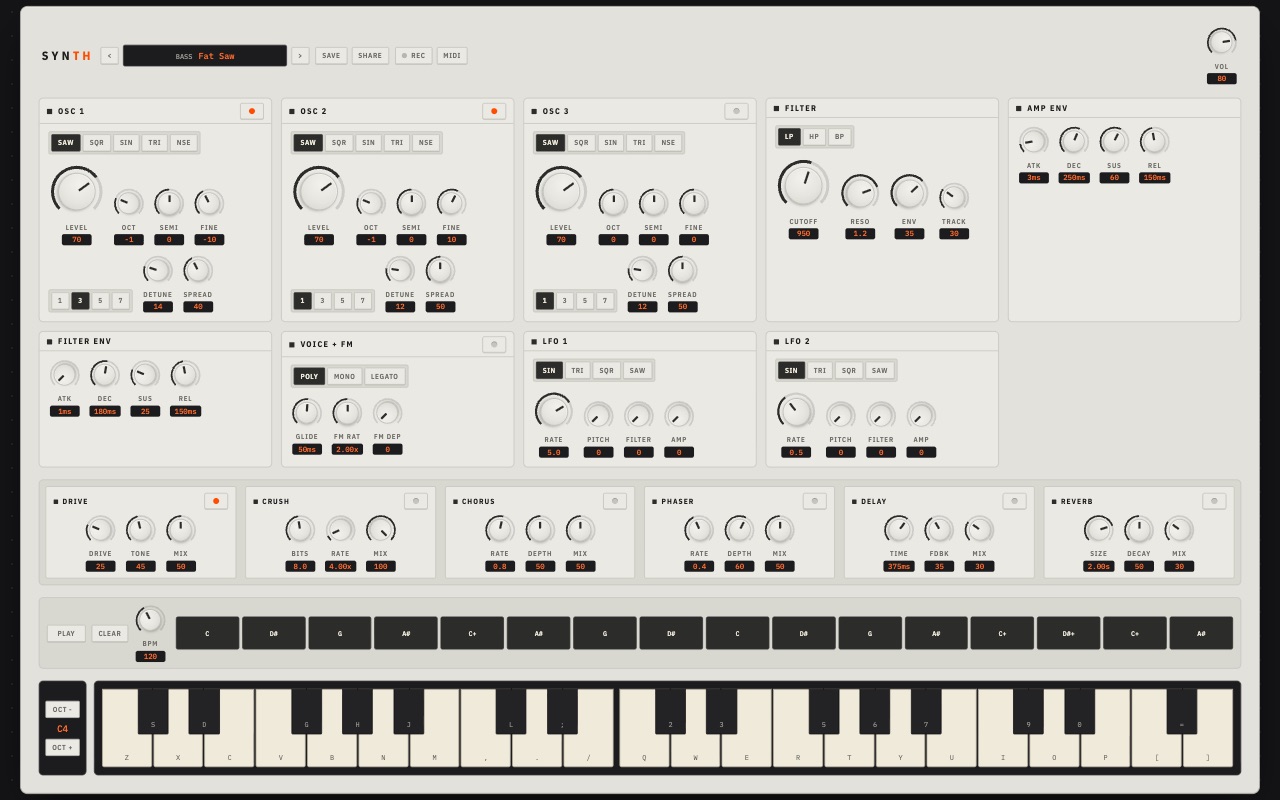
A three-oscillator synthesizer you can play with your keyboard. Filters, envelopes, LFOs, an effects rack, dozens of presets, MIDI support — and every patch serializes into the URL, so sharing a sound is sharing a link.
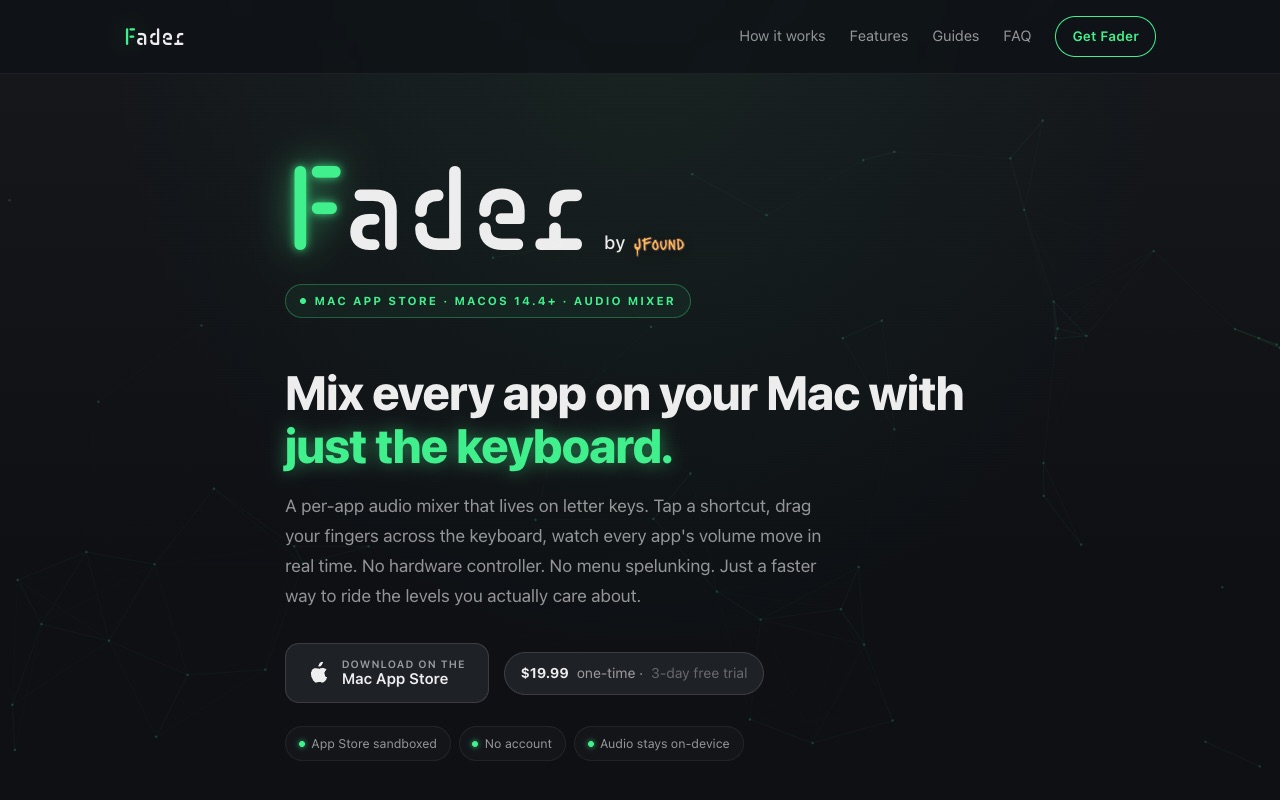
The one that made it to the Mac App Store. A per-app audio mixer for macOS that lives on your letter keys — tap a shortcut, ride every app's volume in real time. Paid product, sandboxed, real reviews from real strangers.
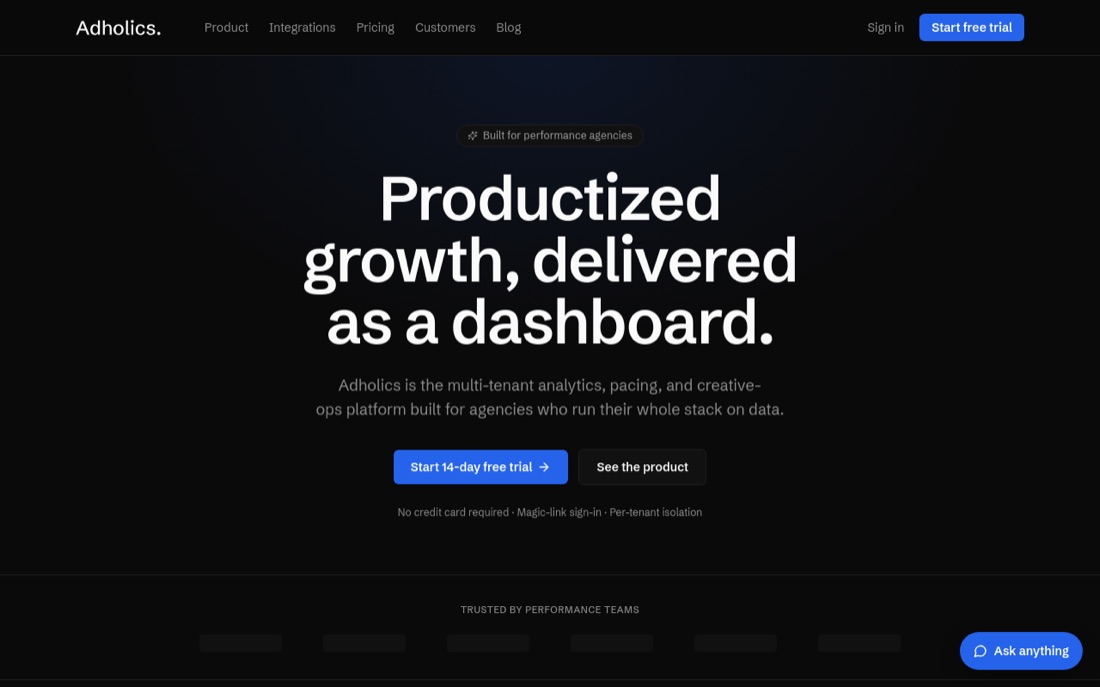
The one with a domain of its own. A multi-tenant analytics, pacing and creative-ops platform for performance agencies that run their whole stack on data — magic-link sign-in, per-tenant isolation, edge API.
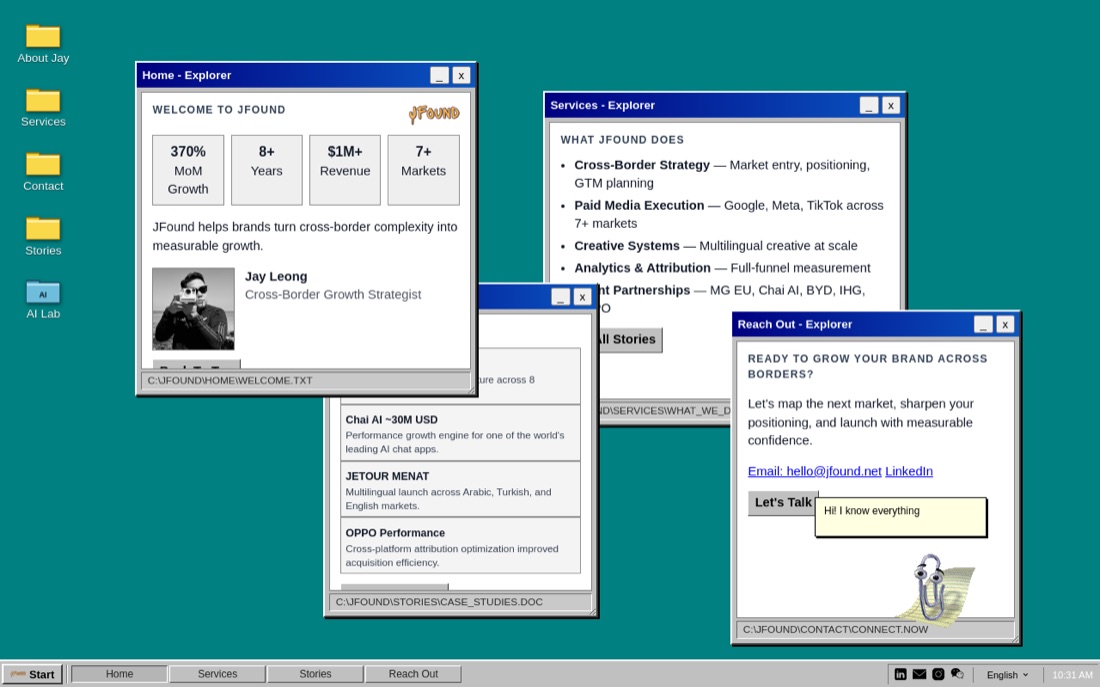
A Win98 desktop portfolio. Deliberately. My CV runs in a fake operating system because the world has enough purple-gradient landing pages and I am not adding to it.
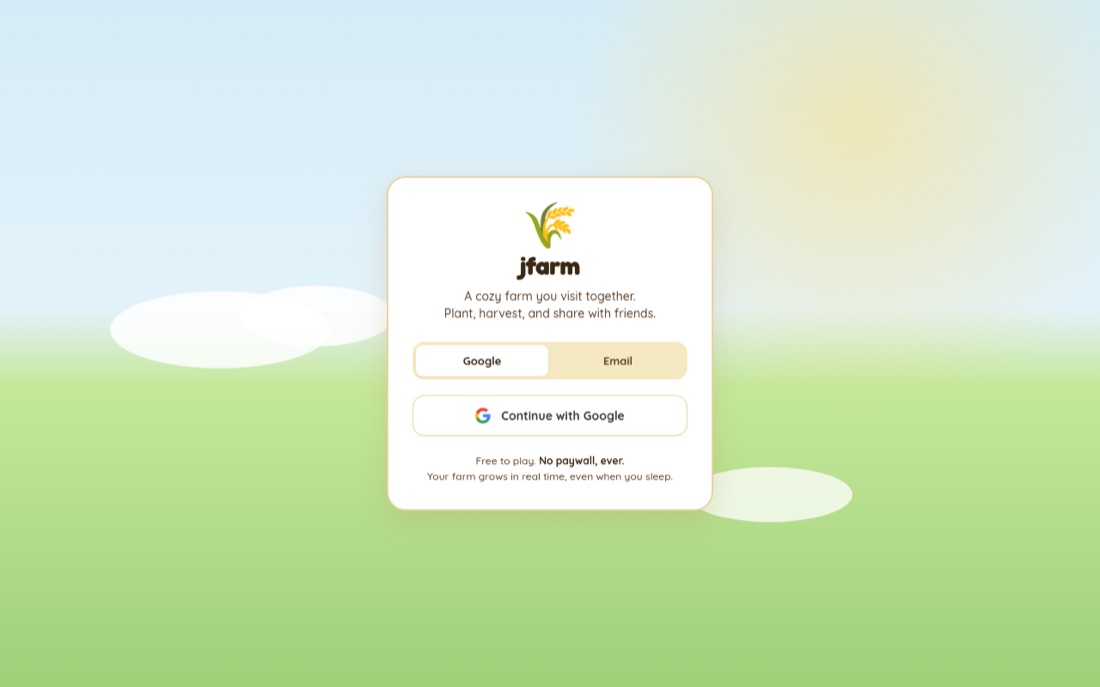
A cozy multiplayer social farming game on Cloudflare Workers, Durable Objects and D1. Built because I wanted to learn DOs and "build something fun" beats "build a TODO app." Your farm grows in real time, even when you sleep.
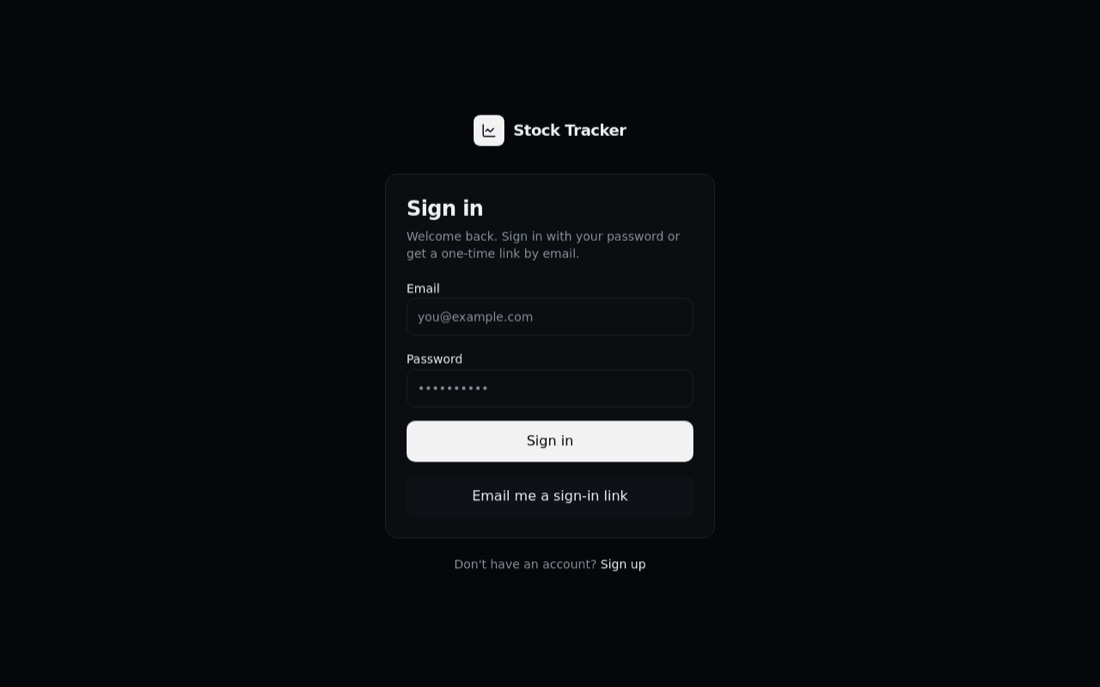
A FIFO P&L portfolio tracker I actually use. Existing apps either hid the math or charged $9/month for it. Hono + D1 + KV; the dashboard tells me the truth.
HonoD1KV
ari · private
Runs on my Mac · voice only
Ari — voice assistant
A JARVIS-style assistant living in my menu bar. On-device ears (Whisper), an agent for a mind with persistent memory, a British voice, and a waveform overlay that reacts while she listens, thinks and speaks. I talk to my computer now and it's normal.
SwiftWhisperLocal-first
jnobs · private
Companion app for hardware I own
Jnobs — hardware mixer app
I own a physical volume mixer whose software didn't do what I wanted. So the agent and I watched its traffic, worked out the protocol clean-room, and built a native macOS app with the studio-panel UI it deserved. The knobs click. It sparks joy.
SwiftReverse engineeringUSB/network
travel · private
Access-gated build · Bali & NZ
Travel Apps — Bali, NZ
Maps and curated picks for trips I'd actually planned, distilled from too many bookmarks. Built before I left, useful on the ground, kept after. Private behind access — happy to demo on request.
ReactStaticPrivate
In the lab right now: a desktop pixel pet that evolves from how you raise it, and remote control for agent sessions from a phone — or a watch.
Running while I sleep
The autonomous layer.
Not everything I ship is an app. Some of it is systems that run daily with no human in the loop.
SpotlightA daily brief on the AI-agent ecosystem. An agent researches, writes, dedupes against every past edition, and publishes — every morning, on this site, unsupervised.
Marketing journalSame idea, my own field: a daily article on cross-border growth. When its topic backlog runs low, it researches and refills it by itself.
drivebotA Telegram bot that drives full agent sessions on a Mac mini at home. From my phone I can switch projects, resume yesterday's session, and approve the risky steps.
FrankensteinOSA personal cloud on an always-on Mac mini — media, files, sync behind one domain, with a control CLI the agent maintains. My data, my hardware, no subscriptions.
Agent skills I built
Workflows with judgement baked in.
Each one started as a thing I kept re-explaining to the agent until I got tired and saved it. Hover any tile to read what it does.
frontend-design +
Pulls references onto disk before the agent generates UI. Replaces the default purple-gradient AI-slop with something that actually has taste.
backend-design +
For APIs that don't try to be every API. Serverless-first, schema before code, auth as a gate not an afterthought.
project-audit +
Five minutes reading the existing project before starting. Saves two hours of regret. Every other skill leans on it.
project-bootstrap +
Greenfield. Idea to a deployed hello-world in the first hour, so the project feels real before you argue about folder structure.
ci-cd +
GitHub Actions with deploy gating, preview hygiene, and a healthy fear of leaking secrets into logs.
testing-strategy +
Decides what to test at what layer. Saves you from 80% coverage that catches 0% of real bugs.
skill-design +
For when you want to build the next one. Skills are easy to write badly — this keeps them actionable instead of inventory dumps.
documentation +
Writes the right kind of doc for the right audience. Skips the boilerplate features-list nobody reads.
repo-sync +
Pull at the start, commit and push at the end. Stops me losing work between machines.
self-improving +
Captures the corrections, so the same mistake doesn't get made twice.
Over coffee
Six things I'd tell you.
If you're a non-engineer trying to ship something real with AI, these are the lessons I keep paying for.
01
Tell it what "done" looks like before it starts.
Most failure isn't the model being dumb. It's goal drift — you didn't say what success was, so the agent picks one for you and gets 80% of the way there before you realize it's the wrong thing. Write the acceptance criteria first. Make it a sentence, not a paragraph.
02
Pick references before you let it generate UI.
The model has seen a million landing pages and will average them. Without references you get the median: Inter font, centered hero, three feature cards, gradient on a button. Show it three sites you want to steal from before it writes a line of CSS. Output gets 10× better.
03
Memory beats context.
Don't paste your whole brain into every prompt. Set up files the agent reads automatically — preferences, project facts, what you tried last week. The session that starts knowing who you are is the one that ships.
04
Skills beat vibes.
A skill is a workflow with judgement baked in — gates, references, success checks. Vibes are when you re-prompt the model to "be smarter please." Build the skill once. Future you doesn't remember what worked last time.
05
Audit before you build.
Five minutes reading the existing code is worth two hours of regret. The agent will happily duplicate a function that already exists three folders over because it didn't look. Make it look.
06
If it's going to break, break it on Tuesday.
Don't deploy Friday night. Your future self has plans. This isn't AI advice — it's just advice — but it applies more once you're shipping faster than you can think.
My setup
The boring infrastructure.
Behind all the work above.
AI coding agent (CLI)Where the actual building happens. A large context window means it doesn't forget where it is mid-session.
Agent skillsTen skills I've built. They auto-load by trigger when the task matches, so I'm not re-prompting the same way every project.
Self-hosted agent gatewayRuns 24/7 on a Mac Mini at home. Background work, scheduled jobs, the things that don't need me watching.
Persistent memoryFile-based, persistent across sessions. The agent learns once and remembers — an index file it reads on every start.
CloudflareWorkers, Pages, KV, D1, Durable Objects. The free tier carries most of these projects. Edge-first by default.
Phone controlTelegram bots ping me when long-running agents finish — and let me start, resume and approve sessions from wherever I am.
Want your team to ship like this?
I help marketing and product teams adopt AI workflows without setting the building on fire. Workshops, agent setups, skill design, the works. If your team feels the gap between "we should use AI more" and "we actually shipped something with it," I can help.